
Qısaca
- Qlobal bankçılıqda fiziki düyməsiz bankomatlar dövrü başlayır.
- Qlobal maliyyə sektoru rəqəmsallaşma vizyonuna uyğun olaraq köklü transformasiya prosesindən keçir.
- ATM technologies, which form the backbone of banking transactions, are stepping into a new era that will leave the use of physical keypads and plastic cards behind.
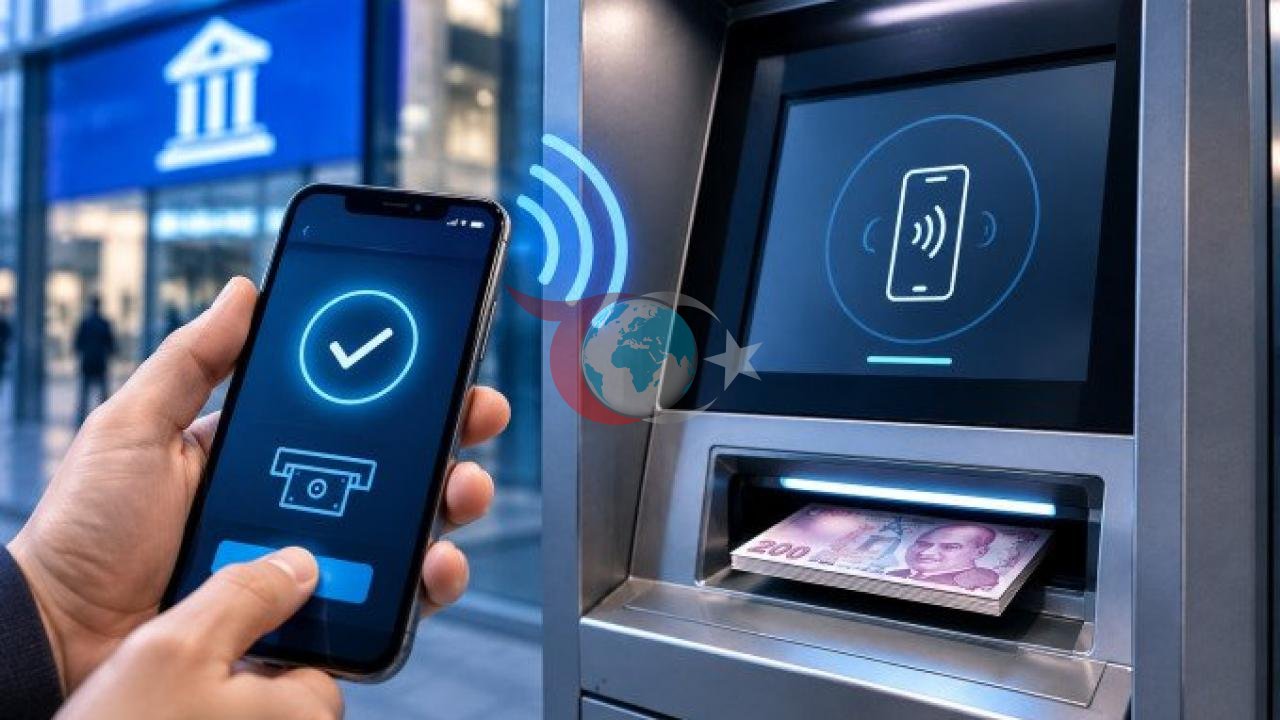
Qlobal maliyyə sektoru rəqəmsallaşma vizyonuna uyğun olaraq köklü transformasiya prosesindən keçir. ATM technologies, which form the backbone of banking transactions, are stepping into a new era that will leave the use of physical keypads and plastic cards behind. In this new generation structure, in which Turkey is actively integrated, all traditional steps such as money withdrawal, balance inquiry and transaction confirmation are now managed entirely through smartphones and mobile banking applications.
These new generation devices, which integrate cash circulation into a completely digital infrastructure, do not have the usual password panels (PIN pad) and physical buttons on the edges of the screen. İstifadəçilər ATM ekranına fiziki toxunmadan öz smart cihazları vasitəsilə bütün əməliyyatlarını təhlükəsiz şəkildə tamamlaya bilərlər.
Smartfonlar ATM ekranına çevrilir: Sistem Necə İşləyir?
This innovative infrastructure, called "Cardless ATM" (Cardless and Keyless ATM) in the global finance literature, transfers almost all of the transaction steps to mobile applications. Sistemin əməliyyat məntiqi həm sürətli, həm də son dərəcə praktik addımlara əsaslanır.
Yeni nəsil sistemindən istifadə edən müştərilər; They first define the password they want to enter, the account they will make transactions with and the amount of cash they want to withdraw, through their bank's mobile application. After this stage, thanks to the instant data connection established between the ATM and the mobile device and the single-use verification code transmitted, the ATM safely delivers the defined cash to the user within seconds.
Qlobal miqyasda geniş yayılır: hansı ölkələr yeni bankomat sisteminə keçib?
ATM models that do not have a physical keypad are being gradually put into operation with different technological infrastructures around the world. Among the countries that have pioneered this digital transformation, USA, India, Turkey, Spain and Netherlands lead the way.
In the United States, financial giants Chase and Bank of America started to offer ATM units without physical keypads to their customers by using Near Field Communication (NFC) technology, which means near field communication. India, on the other hand, is successfully implementing a system that allows creating a dynamic QR code for each transaction on the ATM screen and withdrawing cash by scanning this code with the phone camera, through its national payment infrastructure UPI.
Banks in Türkiye are expanding the possibilities of performing financial transactions with QR codes day by day, offering mobile integrated solutions that completely eliminate the need for users to touch physical buttons. On the European side, joint ATM networks such as Geldmaat, operating in partnership with Spain and the Netherlands, are switching to mobile verification protocols with touch screens in order to minimize high maintenance costs and raise public health standards.
Skimmer təhlükəsinə son: təhlükəsizlik və gigiyena standartları artır
Bank kartlarını və parollarını kopyalamaq üçün bankomatlara yerləşdirilən xarici qurğular uzun müddətdir maliyyə təhlükəsizliyini təhdid edir. The removal of physical keypads aims to completely neutralize cyber fraud methods known as "skimmers", which are carried out with fake panels placed on the keys.
By entering sensitive password information only through their personal smartphones, users reduce the risk of data being copied from physical media to zero. Bundan əlavə, pandemiya prosesi ilə əhəmiyyəti artan gigiyena faktoru düyməsiz bankomatların seçimində böyük rol oynayır. This technology, which cuts contact with common surfaces touched by thousands of people a day, promises a banking experience that is both healthier and maximum protected against cyber attacks.
Mənbə: Haber7


Şərhlər (0)
Şərh yaz
Hələ şərh yazılmayıb. İlk şərhi siz yazın!