
Enerji böhranı kömürə çevrilməni sürətləndirdi: Qlobal emissiyalarda yeni rekord gəlir!
Yaxın Şərqdə gərginliyin yaratdığı enerji böhranı təbii qazdan kömürə keçidi sürətləndirərək qlobal karbon emissiyalarını tarixi zirvəyə çatdırır.
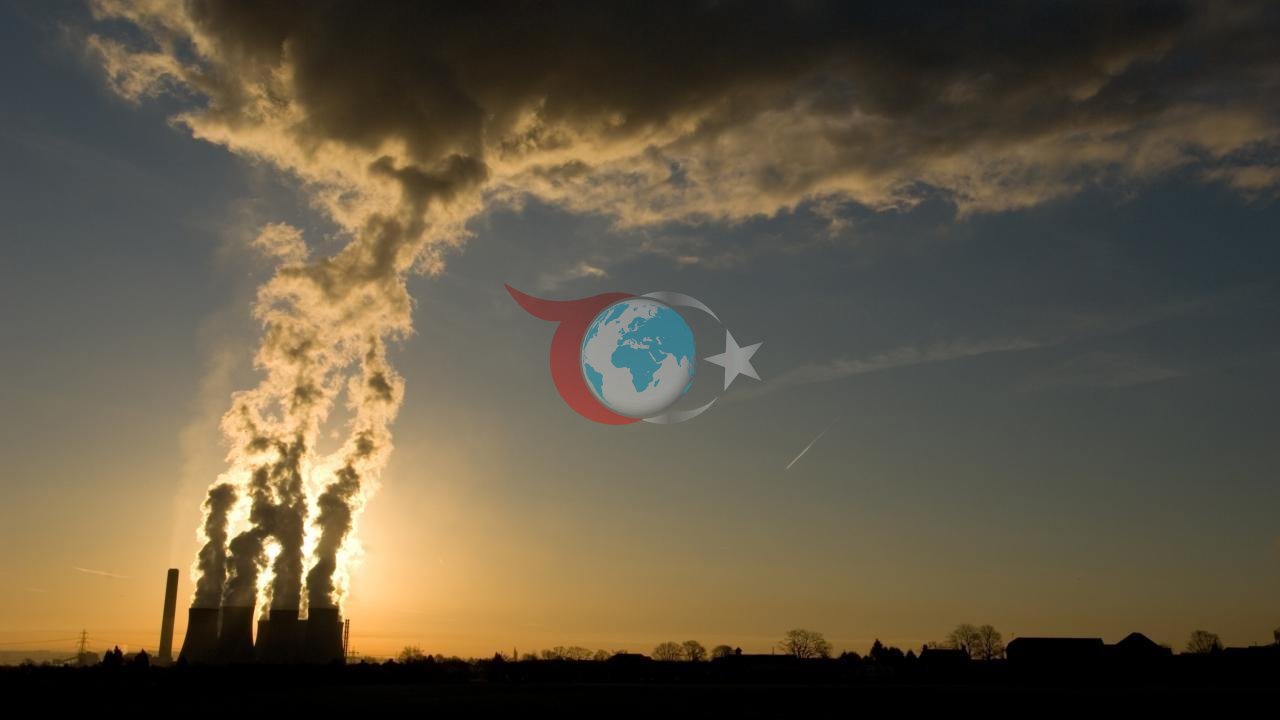
Yaxın Şərqdəki geosiyasi gərginlik və ABŞ-İran oxundakı böhran qlobal enerji bazarlarında dərin yaralar yaratmağa davam edir. Supply disruptions and exorbitant increases in natural gas prices caused by instability in the region have led many countries around the world to turn to coal, a cheaper but more polluting alternative. This situation triggers a global environmental disaster, causing carbon emissions from electricity production to reach a record level this year.
Geosiyasi böhranlar və hava şəraiti kömürə meyli artırdı
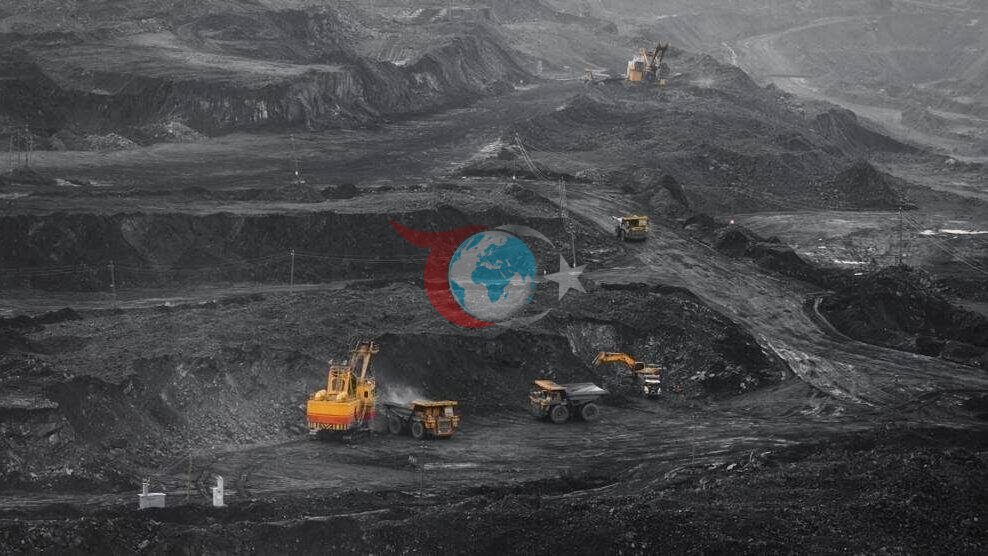
The Mid-Year Electricity Sector Update report published by the International Energy Agency (IEA) reveals the challenges facing the global energy transition. According to the report, the escalating tension in the Middle East in the first half of the year caused disruptions in the natural gas supply chain. Artan qaz qiymətləri qarşısında çarəsiz qalan bir çox regionlar elektrik enerjisi istehsalı üçün kömür və neft yanacağına üz tutub. Adverse weather conditions that have been effective in recent months have also accelerated this process by supporting fossil fuel electricity production. As a result of all these developments, it is predicted that global carbon dioxide emissions from the electricity sector will increase by more than 1 percent this year, breaking a historical record. Bununla belə, cari iqtisadi və bazar dinamikası göstərir ki, bu emissiyalar 2027-ci ilə qədər üfüqi istiqamətdə gedəcək.
Regionlar üzrə emissiya balansı: Çin və Hindistan yüksəlir, Qərb azalır
Keçən il Çin və Hindistan aşağı emissiyalı enerji mənbələrinin tətbiqi və elektrik enerjisinə tələbatın mülayim artımı sayəsində son beş ildə ilk dəfə olaraq emissiyalarını azaltmağı bacardılar. Bu, keçən il qlobal emissiyaların demək olar ki, sabit qalmasını təmin etdi. Lakin bu il vəziyyət tamamilə əksinədir. İnkişaf etməkdə olan və inkişaf etməkdə olan iqtisadiyyatlarda emissiyaların sürətlə artacağı proqnozlaşdırılır. Emission increases expected in China, India, Southeast Asia, Central and South America, Africa and Eurasia will only be partially offset by decreases in the European Union (EU) and the USA.
Especially in China, dependence on fossil fuels has increased due to high electricity demand and wind energy production falling below expectations. Bu, Çinin bu il emissiyalarının təxminən 2 faiz artmasına səbəb olacaq. Cənub-Şərqi Asiyada 2026-2027-ci illərdə aqressiv illik emissiya artımı 6 faiz proqnozlaşdırılır. Electricity sector emissions in India, which decreased by 3.5 percent last year, are estimated to increase by 3 percent this year and 1.5 percent in 2027 due to the intensive use of coal power plants.
Digər tərəfdən, inkişaf etmiş iqtisadiyyatlarda müsbət irəliləyişlər var. Carbon dioxide emissions from electricity generation in the United States are expected to decrease by 3 percent this year and remain stable through 2027. The European Union takes the lead in reducing emissions. Aİ-də elektrik enerjisi istehsalından emissiyaların 2026-cı ildə 5 faiz, 2027-ci ildə isə 16 faiz azalacağı proqnozlaşdırılır. Bu azalma ilə 2027-ci ildə Aİ emissiyaları 2017-ci il səviyyəsinin yarısından az olacaq.
Qlobal Karbon İntensivliyində ümidverici azalma
Despite the increase in total emissions, the increasing share of clean and low-emission energy sources in global electricity production provides an improvement in carbon intensity. Qlobal elektrik enerjisi istehsalının karbon intensivliyinin hər il orta hesabla 3 faiz azalacağı təxmin edilir. In this regard, the carbon dioxide concentration, which was 435 grams per kilowatt-hour in 2025, is expected to decrease to 410 grams per kilowatt-hour in 2027.
Karbon intensivliyində ən radikal azalma yenidən Avropa İttifaqında müşahidə olunacaq. It is estimated that carbon intensity in the EU will decrease by an average of 12 percent annually, from 175 grams per kilowatt-hour in 2025 to 135 grams in 2027. data-style="height:720px; width:1280px">
While the carbon intensity of electricity production in China is expected to decrease by an average of 4 percent annually, from 535 grams in 2025 to 495 grams in 2027, a similar rapid decrease is predicted in India. In the USA, the decrease in carbon intensity, which remained flat last year, is estimated to continue at an annual average rate of over 4 percent in the 2025-2027 period.



Şərhlər (0)
Şərh yaz
Hələ şərh yazılmayıb. İlk şərhi siz yazın!